Introduction
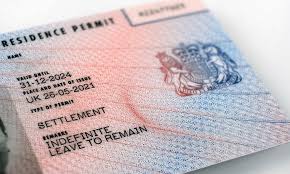
Securing permanent residency in the UK, known as Indefinite Leave to Remain (ILR), is a key milestone for those wishing to establish a long-term future in the UK. Whether you’re working, studying, or living with a family member, achieving ILR offers stability and freedom. In this guide, we’ll cover eligibility criteria, the step-by-step application process, required documents, and essential tips to ensure a smooth application experience.
1. Understanding UK Permanent Residency (ILR)
Indefinite Leave to Remain (ILR) grants individuals the right to reside in the UK without time limits, making it easier to access services, work freely, and enjoy life without the constraints of visa renewals. Achieving ILR also puts you on a direct path to British citizenship after 12 months.
Key Benefits of ILR:
- No restrictions on employment or education.
- Full access to healthcare and public services.
- Ability to sponsor eligible family members.
- Freedom to travel in and out of the UK.
2. Eligibility Requirements for UK Permanent Residency
Eligibility for ILR depends on your current visa type and how long you’ve been in the UK. Here are the main pathways:
- Skilled Worker (Tier 2) Visa Holders: Usually eligible after 5 continuous years of work in the UK.
- Family Route: Spouses, partners, or dependents of UK residents can apply after 5 years on a family visa.
- 10-Year Long Residence: Applicants who have legally resided in the UK for 10 years continuously.
- EU/EEA Nationals: Can apply under the EU Settlement Scheme if they have lived in the UK for at least 5 years.
3. The Step-by-Step UK PR Application Process
Applying for permanent residency in the UK requires thorough preparation. Follow these steps to submit a successful ILR application:
- Verify Your Eligibility: Confirm that you qualify based on your visa type and length of continuous stay.
- Collect Essential Documents:
- Proof of continuous residence (e.g., rental agreements, utility bills, and council tax statements).
- Employment records if applicable (e.g., P60s, payslips, and employer letters).
- Current passport or travel documents.
- Biometric Residence Permit (BRP), if available.
- Fill Out the Application Form: The main application form is available online. Be detailed and accurate when filling out your personal, residency, and employment information.
- Pay the Application Fee: The fee varies depending on your visa category and personal circumstances. Check the current rates on the official Home Office website.
- Schedule a Biometric Appointment: Book a slot at a UK Visa and Citizenship Application Services (UKVCAS) center to submit your biometric data (fingerprints and photographs).
- Submit Supporting Documents: Upload the necessary documents to the designated portal or send them via post if required.
- Await the Decision: Processing times may vary but generally take up to 6 months. Priority services might be available for an additional fee.
4. Documents Required for UK PR Application
The success of your application heavily depends on providing the correct documents. Here’s a list of commonly required documents:
- Proof of Residence: Utility bills, council tax letters, or rental agreements.
- Proof of Employment: Payslips, P60s, and employer reference letters for workers.
- Bank Statements: To show financial stability (especially for long-term residents).
- Biometric Residence Permit (BRP): If you already hold one.
- English Language Proof: Certificates demonstrating English proficiency (IELTS, degrees taught in English, etc.).
- Life in the UK Test: Pass certificate for the mandatory cultural test.
5. Tips for a Successful Application
- Double-Check Eligibility: Ensure you meet all residency requirements specific to your visa type.
- Organize Documents Early: Start gathering your paperwork well before your application deadline to avoid last-minute stress.
- Be Thorough and Accurate: Complete the application form carefully and review your answers.
- Seek Professional Help if Needed: If the process feels overwhelming, consider consulting an immigration advisor.
Conclusion
Gaining UK permanent residency is an important step toward establishing your life in the UK. By understanding the eligibility criteria, preparing the right documents, and following the application process, you can increase your chances of a successful outcome. Start early, stay organized, and take advantage of the freedom that comes with ILR.